
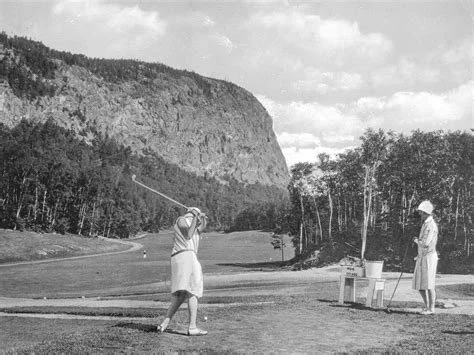
The Founding Ladies: Babe, Mickey, Patty and the Birth of the LPGA
On September 13, 1950, in Wichita, Kansas, thirteen women came together to do something that had never been done before in professional sport: they built their own tour.
Thirteen Women in a Room
They wrote the bylaws themselves. They elected their own officers. They hired Fred Corcoran as their tournament director. They set out to organize, run, and play in their own events, with prize money so small that the players themselves sometimes performed course maintenance chores to keep the operation running.
The thirteen founding members of the Ladies Professional Golf Association were Alice Bauer, Patty Berg, Bettye Danoff, Helen Dettweiler, Marlene Bauer Hagge, Helen Hicks, Opal Hill, Betty Jameson, Sally Sessions, Marilynn Smith, Shirley Spork, Louise Suggs, and Babe Didrikson Zaharias. The founding members were honored together at the World Golf Hall of Fame in 2024, seventy-four years after they signed the charter.

Expanding the Field: What a Bigger PGA Tour Looks Like and Why It's Coming
On March 11, 2026, PGA Tour CEO Brian Rolapp described the future of professional golf in America. It was not a future that looked like the present.
The Moment Everything Changed
In a press conference room adjacent to TPC Sawgrass with nearly 1,100 people in attendance, Rolapp laid out six themes that his Future Competition Committee, chaired by Tiger Woods, had been developing over the preceding months. He was careful to say that nothing had been finalized, that no player-led boards had approved any proposals, and that the full rollout of structural changes was unlikely before the 2028 season. He was also, clearly and deliberately, drawing a line in the sand.
To read more of the story, join us on Substack!
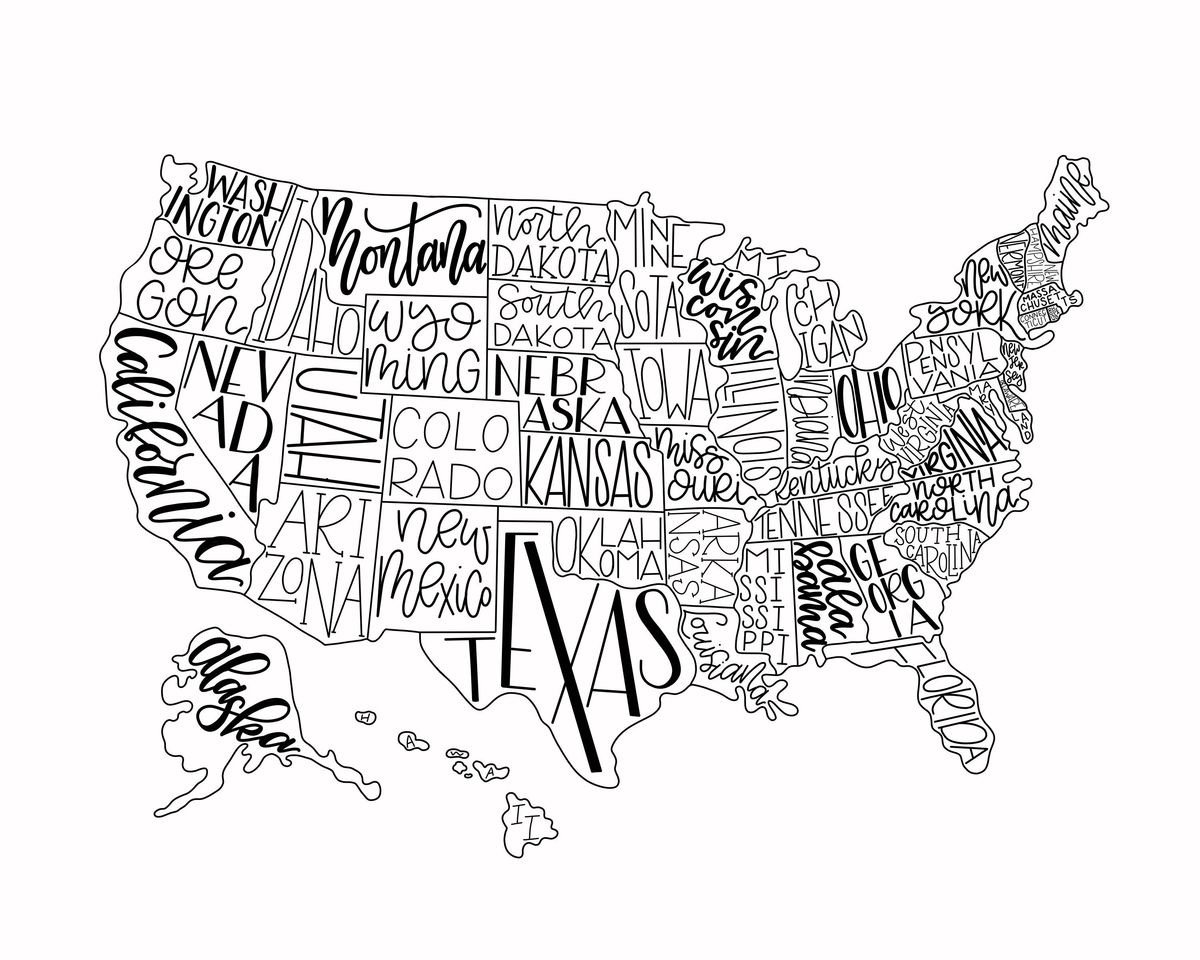
The Long Game: A Complete Look at Collegiate Golf in America
Before any name appears on a PGA Tour or LPGA Tour leaderboard, there is almost always a college golf program somewhere in the background. Understanding that system requires going back to the beginning and coming forward through everything that has changed and everything that has not.
Where the Professionals Come From
Collegiate golf is the most important development system American professional golf has. It is also one of the most inequitable, most misunderstood, and most rapidly changing institutions in the sport.
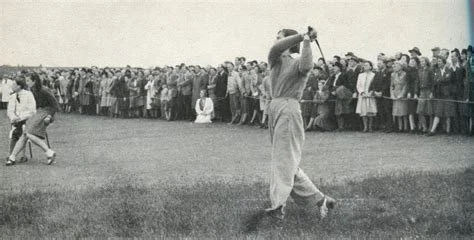
the International Game: Women in Golf Around the World
In 1990, the LPGA leaderboard looked like a domestic product. Thirty-five years later, it looks like a different game entirely.
The Game Belongs to the World Now
South Korean players have transformed professional women’s golf in ways that no single national contingent has ever transformed any professional sport. Thai, Japanese, Australian, Swedish, and Spanish players compete for the top positions on a tour that now draws talent from every golf-playing country in the world.
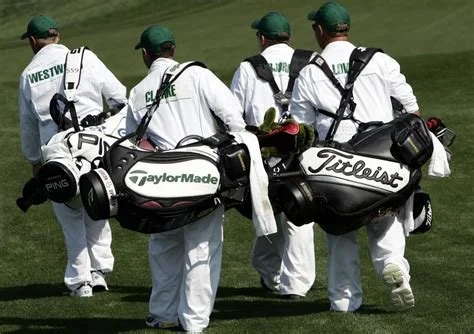
The Legends of the Bag
The names that matter in the caddie yard are not the names on the leaderboards.
The Names They Carry
In the caddie yard, the names that matter are the names that attach to particular loops, particular players, particular moments of counsel delivered at exactly the right time on exactly the right hole.
These are the names the other caddies know. Some made it into the broader record of the game. Most did not. The ones who did are worth knowing.

The Water Question: How Golf is Learning to do More with Less.
The conversation about water and golf has been dominated for too long by two voices that are both wrong in their own ways. Here is the actual evidence.
The Honest Accounting
Golf courses use water. This is not a revelation. The question that matters is how much, where it comes from, what alternatives exist, and what the game is actually doing about all of it.
The first voice says the problem is overstated and that golf is being scapegoated while agriculture, which consumes exponentially more water in almost every region, escapes scrutiny. The second voice says the green fairways of desert golf courses are an indefensible luxury that should be shut down entirely. Both of those positions are more comfortable than the actual evidence.

The Money Is Moving: A Complete History of Purse Growth
The first professional golf tournament in the United States with a significant cash prize was the 1895 U.S. Open. The total purse was $335. Hold that number in your mind as you read the rest of this.
The First Dollar
The winner of the 1895 U.S. Open at Newport Golf Club, Horace Rawlins, received $150. The runner-up received $100. The rest of the field divided what remained. The game was new, the money was modest, and no one in the field had any way of knowing what the number would become.
The First Bag: A History of the Caddie
Before the Cart
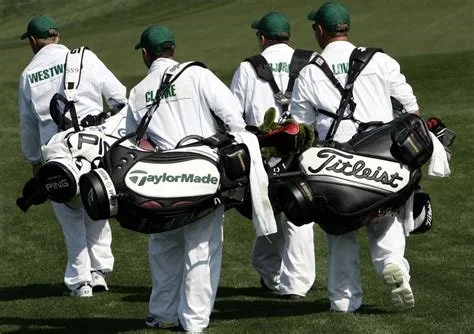
The caddie was the person who made the round possible: who read the wind, who knew the course, who understood which club produced which result in a player's hands and was willing to say so at the moment it mattered. The relationship between a player and a caddie was one of the more interesting partnerships in sport: unequal in almost every social dimension, intimate in the ways that only shared pressure can produce.
The word itself arrives from the French cadet, meaning a younger son or junior officer, which traveled to Scotland in some form in the seventeenth century and was applied to the boys and men who carried bags on the links. By the time golf was being played formally, the caddie was already a fixture, already a professional of a particular and under-appreciated kind.
From the Tee Box They Were Never Meant To Use: A History of Women in Golf
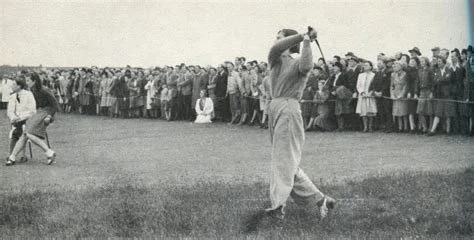
Mary Queen of Scots played golf. Start there. Not in 1893. Not in 1950. 1567.
Start Earlier Than You Think
In 1567, her enemies used it against her, arguing that she had been spotted on the links of Seton mere days after the murder of her husband, which suggested either extraordinary callousness or extraordinary devotion to the game. The historical record does not permit a final verdict on Mary's character, but it does establish, with reasonable certainty, that women were playing golf in Scotland in the sixteenth century.
What Golf Is. Will Cover: The Editorial Promise
Road Trip: Ten Months, 18 Stops,One Game

GolfIs. The Manifesto
Not a sport you watch from a distance. Not a punchline about plaid pants and slow Sundays. Not a gate with a guard at the front and a dress code on the door.
Golf is a walk. A long, unhurried, occasionally humbling walk through some of the most beautiful land on earth. It is a game played in silence and in laughter, in competition and in communion, on courses carved from coastlines and mountain meadows and reclaimed industrial land and the quiet corners of towns most people have never heard of.
We started Golf Is. because we believe the game deserves a publication that tells the truth about it.